

LEAVE YOUR CHIMNEY TO THE EXPERTS
☑
EXPERIENCE
Serving your community with pride since 2002. Our long-standing track record speaks volumes about our dedication and skill.
☑
HONESTY
Clear, upfront pricing-no surprise charges, even on weekends or holidays. What you see is what you pay.
☑
RESPONSIVENESS
We’re here when you need us most-same-day service and 24/7 emergency availability all year round.
☑
CRAFTSMANSHIP
Full-service chimney care-from inspections to repairs-performed with cutting-edge tools and high standards.
For emergency service call us at : 888-224-6226
Fort Mill Wood Stove Cleaning & Flue Check
Safe Burns, Reliable Heat
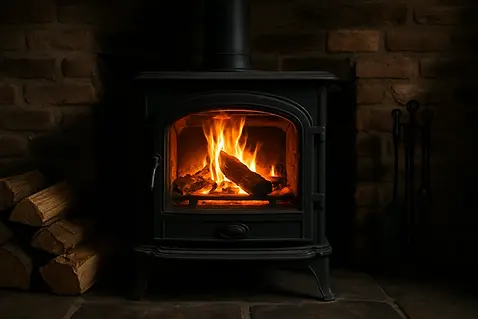
Homeowners in Baxter Village, Springfield, and Kingsley count on Chimney Masters to keep their wood-burning appliances safe and efficient. Heavier winter use is when gasket condition, draft and creosote buildup begin to show. Our evaluation looks at each of them before the stove is relied on day to day. Our full safety evaluation catches ventilation problems and aging parts before they become hazards, whether your stove is your main heat source or an occasional comfort.
Google Reviews from Our Valued Clients
%20(1).png)
Why Wood Stove Inspection Matters in Fort Mill's Winters
A Fort Mill stove usually vents through newer, purpose-built pipe, which helps, but only while every joint stays tight. The yearly check confirms the venting is still sealed and drawing properly before the first cold week arrives.

Precision Wood Stove Inspection
Deep Cleaning for Cleaner Burns

Our Fort Mill inspection follows the pipe from the flue collar to the termination, checking that each joint is still fastened and sealed and that the run matches what the manufacturer specifies.
Our Fort Mill cleaning takes the run from the stove collar out to the termination, then confirms the draft afterwards, so you know the airflow actually improved rather than assuming it did.

Airtight Gasket Replacement
Smoke Control and Draft Check

A Fort Mill stove burning through a load faster than it used to is usually leaking air at the door. We check gasket compression and refit rope in the size the door channel was cut for.
Smoke coming into a Fort Mill room means the stove is losing the pressure contest with the house. We measure the draw and work out whether the venting or the air supply is the side that needs attention.


Flue and Connector Tune-Up
Honest Repair Advice, No Pressure
Fort Mill runs are usually newer, so the fault is more often a loose fastening than a corroded section. We work through each joint and refasten rather than assuming new pipe means sound pipe.
Findings on a Fort Mill visit are split into safety items and efficiency items, because those carry different urgency and deserve to be decided separately.

Why a Yearly Wood Stove Inspection Pays Off in Fort Mill


1. Stop Fire Risks Before They Start
Newer venting in Fort Mill is not exempt. A joint that has worked loose puts combustion gas into the room rather than out through the roof, and the pipe being recent does not change that.
2. Boost Heating Efficiency
Output on a Fort Mill stove usually comes down to the door seal and the air controls. Both are checked and set, and the difference tends to show on the very next load.
3. Skip Expensive Repairs
Catching a loose joint on a Fort Mill system while it is still just a fastening keeps it from becoming a warped section. That is the whole economic case for the annual visit.
Inside a Fort Mill Wood Stove Inspection Visit

1. Full Visual Inspection From Firebox to Flue
The opening step in Fort Mill is a measurement rather than a look. Run length, bend count and termination height are all recorded before anything gets judged.

2. Draft Flow and Safety Review
We then light the stove and measure the draw against what the appliance is specified to need. A number below that gets investigated rather than noted and left.

3. Honest Feedback and Repair Advice
Findings come back split into what affects safety and what affects performance, so the urgent items can be decided now and the rest at your own pace.
Homeowners Across the Carolinas Trust Chimney Masters
Exclusive Chimney Service Coupons to Keep Your Home in Top Shape!
Frequently asked questions
What makes the wood stove glass go black?
▼
When the door glass blackens quickly, the combustion isn't hot or clean enough, wet wood, a low smoldering burn, or a leaking gasket are frequent explanations. The airwash system that sweeps the glass depends on proper draft and a tight seal to work. Our Fort Mill technicians inspect the gasket and airflow and clean the stove so the glass clouds over far more slowly.
Why does the stove smell of smoke when it is cold?
▼
A smell from a stove that has not been lit has more than one possible source: residue in the flue, a downdraft, house pressure working against the chimney, or a gasket that no longer seals. The buildup holds a strong smoky smell, and when the house is depressurized or the weather is damp, that odor comes indoors. Our Fort Mill team clears the flue and connector pipe and checks for downdraft issues to cut the smell.
Can a wood stove go into an existing fireplace opening?
▼
An existing masonry fireplace can often host a wood stove or insert, though where the fireplace flue is larger than the appliance needs, a correctly sized liner brings the venting into line. Hearth and clearance requirements from the stove's manufacturer also have to be met. Our Fort Mill technicians inspect the existing flue and hearth and explain what the installation would involve before any work begins.
Is a dirty wood stove chimney a genuine fire risk?
▼
A creosote-lined flue is a real fire risk, which is the main reason regular inspection and cleaning matter for Fort Mill wood stoves. Creosote is flammable, and heavy deposits can catch and burn intensely inside the chimney. Because it's the inspection, not guesswork, that shows how much has built up, scheduling one before heavy winter use is the safest approach.