

LEAVE YOUR CHIMNEY TO THE EXPERTS
☑
EXPERIENCE
Serving your community with pride since 2002. Our long-standing track record speaks volumes about our dedication and skill.
☑
HONESTY
Clear, upfront pricing-no surprise charges, even on weekends or holidays. What you see is what you pay.
☑
RESPONSIVENESS
We’re here when you need us most-same-day service and 24/7 emergency availability all year round.
☑
CRAFTSMANSHIP
Full-service chimney care-from inspections to repairs-performed with cutting-edge tools and high standards.
For emergency service call us at : 888-224-6226
Durham Wood Stove Service
Experienced and Local
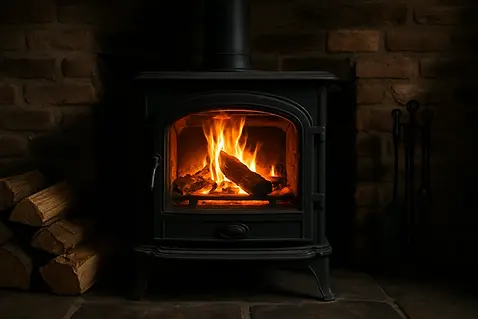
Across Durham and neighborhoods like Trinity Park, Hope Valley, and Forest Hills, families trust our technicians to protect their homes from wood stove hazards. If your stove smells like smoke or won't draft on cold mornings, those are early warnings we're built to solve. Our thorough assessment checks the firebox, baffle, and flue for creosote buildup, worn seals, and airflow trouble, so you get dependable heat all winter.
Google Reviews from Our Valued Clients
%20(1).png)
Keeping Your Durham Wood Stove Safe and Efficient
Wondering why your stove smokes or struggles to draft? Cold, wet NC winters are hard on Durham wood stoves. A professional performance check uncovers the creosote, cracks, and airflow issues you can't see, keeping your family safe and your heat reliable.

Detailed Wood Stove Inspection
Professional Creosote Cleaning

Our detailed process reviews every major component of your Durham wood stove, from the firebox to the flue collar, looking for residue, blockages, and damaged seals that undermine reliable heating.
Creosote and ash quietly choke your stove's airflow and raise the odds of a chimney fire. Our Durham cleaning clears that buildup so your stove burns hotter and safer, and we'll tell you honestly whether a chimney sweep is the smarter next step.

Door Gasket Repair or Replacement
Smoke and Draft Testing

A worn door gasket wastes wood and lets uncontrolled combustion air in. In Durham homes, we repair or replace gaskets to restore an airtight seal that steadies your burn rate and supports a clean secondary burn.
Backdraft and a smoky smell indoors point to weak ventilation. Our Durham technicians test the stove's draw to confirm safe airflow from the firebox to the top of the chimney liner.


Flue Pipe and Connection Maintenance
Expert Repair Recommendations
We check every section of your Durham venting for leaks, deterioration, and loose fittings that compromise draft. Our team cleans, secures, and reseals the connector pipe for safe, efficient airflow.
When we find an issue during your Durham service, you get transparent recommendations, from small part replacements to a new chimney liner, so you can make the right call for safety and performance.

Why an Annual Wood Stove Inspection Matters in Durham


1. Reduce the Risk of Chimney Fires in Durham Homes
Creosote buildup, cracks, and loose connector pipe joints are among the common causes of chimney fires. We find them before they threaten your Durham home.
2. Improve Heating Efficiency
A clean, well-sealed stove wastes less wood. We identify what's dragging down performance in your Durham stove, from a clogged baffle to a leaking gasket, and restore efficient airflow.
3. Avoid Costly Repairs
From damaged gaskets to a failing chimney liner, minor repairs cost far less when caught early. Our Durham team keeps your system in top shape year-round.
How We Inspect Wood Stoves in Durham

1. Complete Visual Inspection of Your Stove
Our Durham process opens with a complete visual review of the firebox, seals, connector pipe, and venting, looking for damage, creosote, and airflow restrictions so your stove runs clean and safe.

2. Draft and Safety Testing
We test ventilation to confirm smoke leaves through the flue and not into your Durham home. We also check the combustion chamber and gasket seal for airflow concerns that cause poor draft.

3. Detailed Report and Expert Guidance
After your Durham service, we give you a clear overview of everything we found. Our team explains each concern and guides you through recommended fixes, from simple repairs to relining a damaged chimney liner.
Homeowners Across the Carolinas Trust Chimney Masters
Exclusive Chimney Service Coupons to Keep Your Home in Top Shape!
Frequently asked questions
Why does the glass on my wood stove door keep turning black?
▼
Black glass usually means the fire is burning cooler and smokier than it should, often from unseasoned wood, a stove damped down too far, or a worn door gasket disrupting the airwash that keeps the glass clear. Most stoves rely on a stream of air across the glass to hold soot off, and when the burn is off that airwash can't keep up. In Durham, we check the seals and airflow and advise on wood so the glass stays cleaner.
Why does my wood stove smell smoky even when it isn't lit?
▼
A smoky smell from a cold stove often comes from creosote residue in the flue, and downdraft or pressure differences can carry that smell back into the room. Humid weather often makes chimney odors more noticeable. Negative pressure in a tightly sealed home can also pull air down the flue and into the room. This can become more noticeable during humid conditions. Cleaning the creosote and checking the draft usually reduces the smell at its source.
Can I put a wood stove into my existing fireplace?
▼
In many cases yes, but it often requires a properly sized listed liner, running from the stove's flue collar to the top of the chimney, not just setting the stove in the firebox and connecting to the old flue. A fireplace flue is often larger than a wood stove needs, and where the liner is not matched to the appliance the result is usually weak draft and faster creosote buildup. In Durham, we evaluate the flue and hearth clearances before recommending a specific approach. Whether one is needed, and at what diameter, depends on the stove manufacturer's requirements, the flue dimensions, the chimney's condition and applicable code.
Does a wood stove need a stainless steel chimney liner?
▼
When a wood stove is connected into an existing masonry chimney, a correctly sized listed liner is often used where the existing fireplace flue does not match the stove's venting requirements. Without one, the flue stays cool, drafts poorly, and builds creosote faster than it should. Factory-built venting is a different category with manufacturer-specified parts. In Durham, a technician sizes the liner to the stove's flue collar and output.