

Wooded Lot Vent Cleaning in Mint Hill
Wooded Lot Experience
Mint Hill keeps more tree cover than most of the area, and that shapes the problems we find. Lint accumulation is the constant, building up quietly at every bend until a load starts needing a second cycle. Layered on top of it here is nesting. A vent hood on a roof surrounded by mature trees is sheltered, warm and exactly what a bird is looking for in spring, and once a nest goes in the airflow does not gradually decline, it stops. Owners usually describe that as the dryer failing overnight rather than fading, which is a useful distinction when you call us. Humidity does the rest, keeping lint damp enough to press into the duct wall instead of traveling out with the air.

Signs to Watch in Mint Hill
There are two different patterns in Mint Hill and it is worth knowing which you have. The gradual one is lint: drying times stretch across months, the dryer and the room feel warmer than they used to, and lint starts appearing around the door seal instead of only in the trap. The sudden one is a blockage, usually a nest, where performance falls off within days rather than seasons. Either way a burning smell during a cycle needs dealing with the same day, since it generally means lint is against the heating element. A musty smell is separate again and suggests damp standing somewhere in the run.

Looking at a Roof Hood
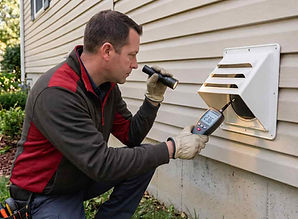
Most Mint Hill homes put the termination on the roof, which makes the usual check awkward. Start the dryer, get far enough back for a clear view, and watch for flap movement. If tree cover or the roofline makes that impossible to judge safely, rely on the indoor signals instead. The one extra thing worth noting is the timing of the change: gradual decline points to lint through the run, while a sharp drop over a week or two points to something obstructing the hood. Mentioning which you have seen when you book means the technician arrives ready for it rather than working it out on the day.
Reaching Every Part of Mint Hill
Mint Hill and the wooded roads around it are covered, along with the developments nearby. Cleaning, inspection and repair are handled in one visit, which is worth having when the work is happening on a roof.

Tree Cover Changes Things in Mint Hill


1. Lower the Fire Hazard
Trapped heat is the reason a duct full of lint deserves attention. Clearing the buildup and restoring airflow reduces that risk, and it can be verified at the roof hood as soon as the work is done.
2. Stop the Second Cycle
Good airflow is what lets a load finish in a single cycle. Across a Mint Hill year that shows on the power bill, and it removes hours of running hot from a machine that cannot overcome a restriction by itself.
3. Clear Nesting Before It Blocks
Tree cover and a sheltered roof hood are exactly what nesting birds look for. A nest cuts airflow abruptly rather than gradually, and it is what turns a slow decline into a dryer that suddenly stops working properly.
How Mint Hill Visits Are Handled

1. Assess Run and Termination
Looking at both the run and the roof termination is how the visit opens here.

2. Clear Duct and Hood Together
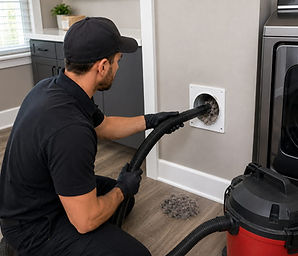
Spinning heads work the vertical run while the roof hood is cleared at the same time. The roof hood is cleared at the same time, including any nesting material, so the whole system opens rather than half of it.

3. Verify at the Roof, Then Report
At the roof hood the technician reads discharge with the dryer under load. If the hood needs replacing, or a bird guard would be sensible given the tree cover, that goes into the written report.
Google Reviews from Our Valued Clients
Lock In Mint Hill Service
Something changed suddenly with the Mint Hill dryer? Our technicians work the full run including roof terminations. Our technicians work the full run including roof terminations, clear anything nesting at the hood, and leave a written account of the duct condition. If the drop in performance was sudden rather than gradual, mention it when you call.
Trusted Across Mint Hill and Nearby
Mint Hill Vent Deals, Look Before Booking
Frequently asked questions
How frequently should the vent be cleaned here?
▼
Annual attention covers most homes in Mint Hill. Laundry volume and family size shift the interval too. Growing drying times remain the clearest signal.
Do you remove bird nests from vent hoods?
▼
Yes, and around Mint Hill it comes up regularly. A nest built into a roof hood blocks the run completely rather than gradually, which is why the drop in performance feels sudden. Our technicians clear the nest, check the duct behind it for anything carried further in, and can fit a hood designed to keep birds out without choking the airflow.
Can a blocked vent become a fire risk?
▼
Yes, particularly where an obstruction stops airflow abruptly rather than gradually. Lint burns very easily and a duct that cannot move air keeps heat inside the appliance and the run instead of venting it outdoors. Clearing the obstruction and restoring airflow reduces that risk, which is the case for regular scheduled work.
Which Mint Hill streets do you reach?
▼
Mint Hill is covered throughout, including the wooded roads off Lawyers Road and Bain School Road. If you are unsure whether your address falls inside the service area, call and we will confirm it before booking.