

Local Chimney Sweeping in Rock Hill
Chimney Masters delivers trusted chimney sweeping in Rock Hill, serving neighborhoods like Newport and Ebenezer. Our team removes creosote buildup, bird nests, and flammable debris to keep your chimney breathing freely and your home protected throughout South Carolina's changing seasons.
LEAVE YOUR CHIMNEY TO THE EXPERTS
☑
EXPERIENCE
Serving your community with pride since 2002. Our long-standing track record speaks volumes about our dedication and skill.
☑
HONESTY
Clear, upfront pricing-no surprise charges, even on weekends or holidays. What you see is what you pay.
☑
RESPONSIVENESS
We’re here when you need us most-same-day service and 24/7 emergency availability all year round.
☑
CRAFTSMANSHIP
Full-service chimney care-from inspections to repairs-performed with cutting-edge tools and high standards.
For emergency service call us at : 888-224-6226
Chimney Sweeping Rock Hill SC, Flue & Soot Care
Preferred by Rock Hill Residents for Peace of Mind
Rock Hill homes in Old Town, Ebenezer, Oakdale, and out toward Riverwalk see real seasonal swings. Our chimney sweeping clears creosote buildup, soot, and nesting debris from the flue, and we document liner condition and any structural wear so you know what the chimney needs before winter arrives.
Google Reviews from Our Valued Clients
%20(1).png)
Why Rock Hill Homes Need Regular Chimney Sweeping
In Rock Hill, shifting temperatures and rainy conditions put constant stress on chimney systems. If left uncleaned, creosote and soot can block ventilation and create serious fire risks. Our expert chimney sweeps help Rock Hill homeowners stay safe by keeping chimneys clear, clean, and fully functional.

Basic Flue and Firebox Sweep
Hardened Creosote Removal

Our sweeping service removes the soot and residue that builds up in Rock Hill fireplaces during seasonal use. Whether you live in Ebenezer or Newport, this routine care keeps your chimney safe, reduces smoke backup, and protects your home from fire risk.
If your chimney contains glazed creosote or hasn't been cleaned in a while, we offer a deeper service using rotary tools and advanced methods. Designed for hardened and glazed buildup, this process is essential for restoring safe draft in older Rock Hill homes.

Rock Hill Chimney Sweep with Visual Check
Solving Fireplace Smoke Problems

This two-in-one service includes a thorough sweep and visual Level 1 inspection. We examine your firebox, flue liner, cap, and crown to ensure everything is clean and structurally sound, ideal for Rock Hill homes before the cold season kicks in.
Smoke inside your home? Our Rock Hill team investigates draft issues, flue obstructions, and negative air pressure. We go beyond sweeping to find the root cause of airflow problems, restoring safe operation and clean-burning performance to your fireplace.


Chimney Cleaning After Nest Removal
Pre-Sale Fireplace Cleaning for Rock Hill Listings
Animals like birds and raccoons often block chimneys in Rock Hill homes, especially around neighborhoods like Newport or Ebenezer. We check whether the nest is active and protected before removal, clear what may legally be taken out, then sweep and inspect the flue.
Preparing to sell your home? Our real estate chimney cleaning checks that everything is in working order before showings or inspections. We help Rock Hill sellers document the accessible condition of the chimney, ease buyer concerns, and stay on schedule during the closing process.

Why Rock Hill Homeowners Shouldn't Skip Chimney Sweeps


1. Heavy Soot Is a Genuine Hazard
Creosote buildup in Rock Hill chimneys is a real danger. Our team removes it with care, lowering your risk of unexpected chimney fires during peak usage.
2. Full Diameter, Full Airflow
Clogged chimneys reduce performance and send smoke back indoors. Regular sweeping keeps Rock Hill homes warmer and the air cleaner.
3. Freeze Cycles Break Down Mortar
Rock Hill's weather can lead to moisture inside the chimney structure. Our sweep services help detect early signs of leaks, deterioration, and animal-related issues before they escalate.
Chimney Sweeping Done Right in Rock Hill: Our Process

1. Sizing Up the Flue
Floor covering and a sealed work area come first. We check the firebox, damper travel, and smoke shelf, and measure the flue so the right brush size goes in rather than one that leaves the corners untouched.

2. Rods, Brushes and Vacuum
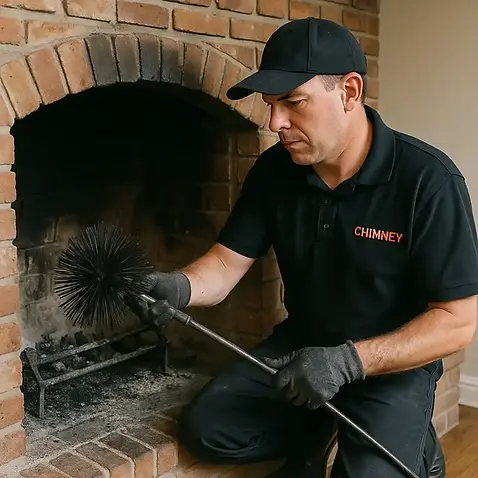
The flue is swept with a brush cut to its dimensions, driven on rods from the firebox. A HEPA vacuum runs at the sealed opening while we clear ash, the smoke shelf, and the damper seat by hand.

3. Photos, Report and Advice
We show you before and after shots of the flue, vacuum the hearth, and clear the covers. Written findings record what was removed and the state of the liner, damper, and cap.
Homeowners Across the Carolinas Trust Chimney Masters
Exclusive Chimney Service Coupons to Keep Your Home in Top Shape!
Frequently asked questions
Can I use my fireplace immediately after chimney sweeping?
▼
In most cases, yes, a fireplace can generally be used again shortly after a chimney sweep, once the technician confirms there's nothing else that needs attention. Since the appointment typically includes clearing out loosened soot and debris and a basic visual check of the flue, the chimney should be in clean, ready-to-use condition once the service is complete. If the technician identifies something during the sweep that needs further evaluation, such as a blockage or damage that wasn't fully addressed, they'll usually let the homeowner know before recommending normal use resume. It's a reasonable habit to ask directly at the end of the appointment whether there's anything to wait on before lighting the next fire.
Can old creosote become harder to remove?
▼
Yes, creosote that's been allowed to sit and build up over multiple burning seasons tends to harden and become more difficult to remove than fresher, lighter buildup. Over time, especially with repeated heating and cooling cycles, softer flaky creosote can bake onto the flue walls and develop into a harder, more glazed layer that resists standard brushing. This is part of why routine sweeping on a consistent schedule tends to be more effective and often less labor-intensive than waiting years between services. A technician can assess how advanced any existing buildup is during an appointment and explain what a standard sweep is likely to accomplish versus what may need additional attention.
Can heavy soot become a fire hazard?
▼
Yes, heavy soot accumulation can contribute to fire risk, particularly when it's mixed with or sits alongside creosote buildup inside the flue. While soot itself burns somewhat differently than the more tar-like layers of creosote, a substantial buildup of either can act as fuel if ignited by a spark or sustained heat from normal fireplace use. Heavy soot can also restrict airflow in the flue, which affects how a fireplace drafts and how well smoke and heat vent to the outside. Regular sweeping addresses this risk directly by removing accumulated soot and creosote before it reaches a level that meaningfully increases the chance of ignition.
How often do heavily used fireplaces need sweeping?
▼
More than once a year in some cases. The common annual guideline assumes moderate use, and a fireplace burning most evenings through the season can accumulate enough deposit to justify a mid-season check. The usual industry marker is that a sweep is warranted once deposits reach roughly an eighth of an inch, which a heavily used flue can reach well before twelve months. Fuel matters too, since unseasoned wood accelerates buildup considerably. Rock Hill households that burn nightly through winter are often better served by a pre-season sweep plus a check partway through than by a single annual visit.