

LEAVE YOUR CHIMNEY TO THE EXPERTS
☑
EXPERIENCE
Serving your community with pride since 2002. Our long-standing track record speaks volumes about our dedication and skill.
☑
HONESTY
Clear, upfront pricing-no surprise charges, even on weekends or holidays. What you see is what you pay.
☑
RESPONSIVENESS
We’re here when you need us most-same-day service and 24/7 emergency availability all year round.
☑
CRAFTSMANSHIP
Full-service chimney care-from inspections to repairs-performed with cutting-edge tools and high standards.
For emergency service call us at : 888-224-6226
Tega Cay SC Chimney Inspection by Lake Wylie Homes
Lakeside Specialists
Chimneys in Tega Cay face unique challenges due to the region's climate, which can lead to moisture buildup and structural wear. Our detailed inspections look for concerns not visible from the ground, such as flue blockages, cracks, and creosote accumulation. By offering timely inspections, we help homeowners catch problems early and keep their documentation current. Whether you're preparing for colder months or managing a rental property, our inspections provide a comprehensive overview of your chimney's condition, allowing you to act before small faults grow.

Google Reviews from Our Valued Clients
%20(1).png)
Regular Inspections on Tega Cay Lakefront Homes
Tega Cay's varying weather patterns can create conditions that lead to chimney deterioration. Regular inspections can identify problems like moisture intrusion and appliance connector concerns before they escalate into serious hazards affecting how safely the system vents.

Address Creosote Early
Spot Damp Damage Early

Deposits from fireplace use accumulate inside the flue and become combustible once they thicken. A Tega Cay inspection notes the extent and whether sweeping should be scheduled before the next burning season.
Not all damage is obvious at first glance. A professional inspection can bring underlying problems to light, including deteriorating flue liners and compromised masonry, which can worsen if left unchecked, leading to expensive repairs later.

Room Air Quality Examined
Records for Lakeside Homes

An obstructed flue in Tega Cay can send combustion byproducts back into the room instead of outside. Our inspection sets out whether the venting path is clear and reports anything restricting it.
Some insurers, buyers or property professionals may request recent chimney documentation, particularly during a sale or after a reported loss in Tega Cay. Keeping records current saves scrambling later.


Catch Lakeside Moisture
Year-Round Warmth Reviewed
Chimneys are particularly susceptible to damage caused by moisture. Timely inspections can catch issues like cracked crowns and rusted flashing before they lead to severe internal damage or mold.
A Tega Cay inspection records what is inside the flue and what moisture exposure has done to it, both of which bear directly on the draw.

Why Tega Cay Chimneys Get Inspected Yearly


1. Catch Lakeside Damp at the Early Stage
Blockages and structural weakness in a Tega Cay chimney are best caught before winter. This proactive approach can reduce what you spend on repairs later, and it records whether anything about the fireplace needs attention before the colder months.
2. Warmth by the Lake, Reviewed
Moisture exposure around the lake is recorded as a finding in its own right. Our inspection identifies liner defects, obstructions and draft concerns, and recommends cleaning or repair where the findings call for it.
3. Protect a Lakeside Property
Carbon monoxide and creosote fires are the two risks worth taking seriously in Tega Cay. By keeping up with regular inspections, you have a current record of both risks, and of anything the technician recommends addressing before the next burning season.
Our Chimney Inspection Method in Tega Cay

01. Schedule a Lakeside Visit
Starting your chimney inspection is straightforward. Simply choose a convenient time, and we'll take care of everything else. Our adaptable scheduling allows you to maintain your routine while we work around it.

02. Lakeside System Assessment
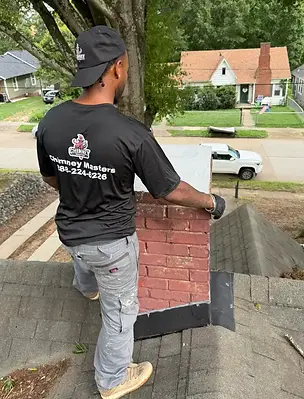
Your service visit covers the whole chimney, from the firebox to the crown. Our skilled technician checks for blockages, flue obstructions, and any structural issues, then reports on the condition of the masonry.

03. Lakeside Findings Documented
Receive a detailed digital inspection summary outlining findings and recommendations to address issues before they escalate.
Homeowners Across the Carolinas Trust Chimney Masters
Exclusive Chimney Service Coupons to Keep Your Home in Top Shape!
Frequently asked questions
How frequently should a chimney be inspected?
▼
Annual inspection is the general recommendation for most chimneys, regardless of how frequently the fireplace is used, since conditions like weather exposure, animal activity, and gradual material wear can occur even during periods with little to no burning. In a humid, lake-adjacent setting, ongoing moisture exposure can be a factor worth monitoring through regular inspection as well. Chimneys used consistently through the colder months often benefit from scheduling inspection before the start of the season specifically. Beyond the standard annual timeline, certain events, such as severe weather, a chimney fire, or a change in the connected appliance, call for inspection sooner regardless of when the last one took place.
What is the point of sending a camera up the flue?
▼
Chimney cameras give inspectors direct visibility into portions of the flue that can't be assessed through a standard visual review, particularly in sections with bends, extended height, or limited access points. This allows for a more thorough evaluation of the liner's condition, including cracking, gaps, or deterioration that might not be detectable otherwise. Camera equipment is especially useful in situations involving suspected damage, such as after a chimney fire, or when confirming flue condition as part of a Level 2 inspection. It's a tool used to supplement the rest of the inspection process rather than replace the broader visual and structural evaluation.
Will an inspection pick up flashing faults?
▼
Yes, flashing is specifically checked during an inspection, since it's responsible for sealing the area where the chimney meets the roofline and is a common source of water intrusion when it fails. The inspector looks for rust, lifting, gaps, or separation between the flashing and the surrounding roofing material or chimney structure. Because flashing damage often isn't visible from inside the home until water has already caused a stain or leak, identifying deteriorated flashing during a routine inspection can catch the issue at an earlier stage. Not every flashing concern points to the same level of urgency, so documentation of the specific finding matters.
Should an older home always receive a chimney inspection?
▼
Not automatically, though older homes are generally good candidates for chimney inspection, since aging masonry, outdated liners, or years of undocumented use can increase the likelihood of developing issues. An older chimney isn't necessarily in poor condition simply due to its age, but the uncertainty around its maintenance history makes a professional evaluation particularly useful for confirming its actual condition. Rather than assuming every older home automatically needs a Level 2 or Level 3 inspection, the appropriate level depends on the specific chimney's history and any visible signs of concern, which is something an inspector can help determine during the initial evaluation.