

LEAVE YOUR CHIMNEY TO THE EXPERTS
☑
EXPERIENCE
Serving your community with pride since 2002. Our long-standing track record speaks volumes about our dedication and skill.
☑
HONESTY
Clear, upfront pricing-no surprise charges, even on weekends or holidays. What you see is what you pay.
☑
RESPONSIVENESS
We’re here when you need us most-same-day service and 24/7 emergency availability all year round.
☑
CRAFTSMANSHIP
Full-service chimney care-from inspections to repairs-performed with cutting-edge tools and high standards.
For emergency service call us at : 888-224-6226
Rock Hill SC Chimney Cap Installation
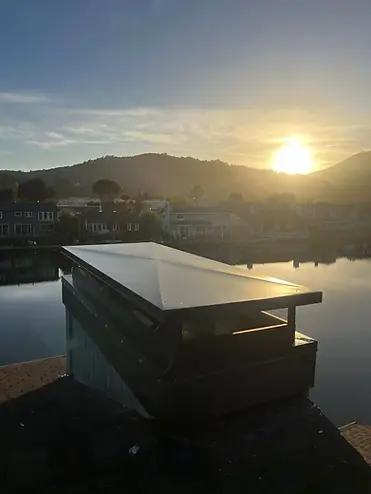
Stainless, Copper, Custom
Old Town and Oakdale sit alongside newer growth toward Riverwalk and India Hook, so Rock Hill stacks vary widely. What stays constant is the wind, and every cover we fit here is anchored mechanically rather than held by tension alone.
Google Reviews from Our Valued Clients
%20(1).png)
Wind, Rain and Wildlife in Rock Hill
Rock Hill’s changing seasons bring moisture, wind, and animal activity, all of which can harm an uncovered chimney. Rain and debris can cause rusted liners, clogged flues, or expensive masonry decay. A chimney cap offers reliable protection and helps Rock Hill homeowners extend chimney life with one simple upgrade.

Single-Flue Cap Installation
Purpose-Built Flue Covers

Our stainless steel chimney caps are built to handle Rock Hill’s changing seasons. Installed over open flues, they keep out birds, rain, and leaves, helping prevent corrosion and blockage in older chimneys throughout neighborhoods like Newport and Ebenezer.
From brick columns to elaborate crowns, Rock Hill’s unique chimneys need custom protection. We design and install chimney covers that match your chimney’s form while shielding it from moisture, nesting, and spark risk.

Corrosion Resistant Caps
Chase Covers in Copper

Rock Hill weather puts every cap material to the test, with humid summers, heavy rain and freezing spells in the same year. Stainless handles that cycle without the surface breakdown that starts corrosion on coated steel, which is why it is our usual recommendation here.
Copper caps protect against rain, sparks, and nesting animals while aging beautifully over time. They’re an ideal choice for Rock Hill properties with historic charm or distinctive rooftop styles, offering both form and function with lasting impact.

Chase Cover Renewal
Storm damage in Rock Hill rarely removes a cap outright. More often it lifts one corner or dents the top enough to change how water runs off, and neither is visible from the garden until staining appears indoors.

Wildlife-Resistant Fitting
From squirrels to nesting birds, Rock Hill chimneys attract unwanted guests. Our animal-proof caps feature welded mesh that keeps pests out while preserving airflow, ideal for properties near trees or wooded lots throughout the city.

Rock Hill Chimneys, Three Clear Benefits


1. Rain Entry and Masonry Decay
Between humid summers and freezing spells, Rock Hill masonry gets little chance to dry out. Capping the flue removes the largest single source of water reaching the interior of the chimney.
2. Debris Blocked at the Cap
Rock Hill chimneys often attract nesting animals and debris from surrounding trees. Our animal-proof caps stop blockages before they start, supporting cleaner, safer fireplace use.
3. Protect the Flue Investment
By reducing creosote, moisture, and debris buildup, a cap keeps your Rock Hill chimney working longer, with fewer repairs and less routine cleaning needed.
Rock Hill Cap Fitting, Start to Finish

1. Measuring Every Opening
We measure and then consider the wind. Rock Hill exposure means the fixing specification is part of the assessment rather than an afterthought, and an anchored cover is quoted differently to a simple clamp fitting.

2. Per-Flue Installation
Rock Hill wind means the fixing matters as much as the cap. We use mechanical anchoring rather than relying on friction, since a cover held only by tension will move under repeated gusting and eventually lift.

3. Verifying Every Cover
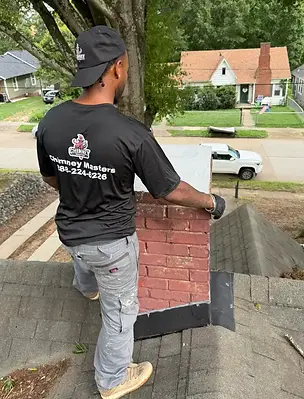
Wind is the test in Rock Hill, so we verify the anchoring rather than the appearance. The cap is checked for movement, the fixings confirmed, and photographs taken of the completed installation.
Homeowners Across the Carolinas Trust Chimney Masters
Exclusive Chimney Service Coupons to Keep Your Home in Top Shape!
Frequently asked questions
How is a cap attached to the flue?
▼
It depends on the flue construction. On a clay tile flue, a cap commonly slides over the protruding tile and is secured with adjustable clamps or set screws tightened against the tile. Where tiles sit flush with the crown, a cap may be anchored into the crown itself with masonry fixings and sealed. Multi-flue and chase covers are usually fabricated to sit over the entire top and are fastened to the chase or crown. Factory-built chimneys use manufacturer-specified terminations that attach to the pipe. Each method has its own requirements, and the wrong fixing is a common reason caps come loose in a Rock Hill storm.
Can birds build nests inside a chimney?
▼
Yes. Chimney swifts are one of the bird species most closely associated with nesting in open masonry chimneys, since the enclosed vertical space resembles the hollow trees they naturally use. Active nests containing eggs or dependent young may be protected under federal law and generally should not be disturbed until they're no longer active, which can affect the timing of chimney work if a nest is discovered. A nest inside the flue can restrict airflow and create a real fire risk if the fireplace is used before it's cleared. Having the chimney and cap inspected before nesting season, rather than after birds have already moved in, is the more effective way to avoid this situation.
What are signs of a damaged chimney cap?
▼
Look for visible rust or holes in the metal, mesh screening that's torn or missing, and a cap that appears loose, tilted, or not sitting flush on top of the flue. Water reaching the firebox or damper despite a cap being installed is a fairly reliable indicator that the cap isn't sealing effectively anymore, even if it looks intact from the ground. Continued animal entry into a chimney that's already capped points to the same kind of failure, whether that's a tear in the mesh or a poor fit. Because some of these issues aren't visible without a closer look, having a technician confirm the cap's condition during a routine inspection is worthwhile.
When should a chimney cap be replaced?
▼
A cap generally needs replacing once it shows visible rust, torn or missing mesh, or a frame that's no longer sitting securely on the flue. It's also worth checking after a significant storm, since wind can loosen or bend a cap in ways that aren't obvious from ground level. If a cap has reached or passed the point where its material typically starts to fail, that's a reasonable time to have it evaluated even without visible damage yet. Repeated animal entry despite an existing cap usually means replacement, rather than another repair attempt, is the right move.